

Solar energy has rapidly become one of the most accessible and sustainable energy sources worldwide. While traditional crystalline silicon solar panels have been the dominant choice for residential and commercial solar installations, thin film solar panels offer a flexible, lightweight, and increasingly popular alternative. These panels provide a versatile solution for a range of applications, particularly for environments where traditional rigid panels may not be feasible. If you are considering renewable energy options, understanding the uses, importance, and benefits of thin film solar panels can help guide your decision.
What Are Thin Film Solar Panels?
Thin film solar panels are a type of photovoltaic (PV) panel that uses a much thinner layer of semiconductor material compared to traditional silicon panels. The semiconductor material used in thin film panels can include cadmium telluride (CdTe), amorphous silicon (a-Si), or Copper Indium Gallium Selenide (CIGS). These materials allow the panel to be much lighter, more flexible, and easier to install on different surfaces, including curved or irregular structures.
Unlike rigid panels, which are encased in glass and aluminum frames, thin film solar panels can be flexible and are often used in situations where weight or flexibility is a priority. This flexibility opens up opportunities for solar power in areas that were previously inaccessible to traditional panels, such as portable applications, building-integrated photovoltaics (BIPV), or mobile energy solutions.
Why Choose Thin Film Solar Panels?
Thin film solar panels offer several key advantages that make them an attractive option for various energy needs. Here are some reasons why you might consider choosing thin film panels:
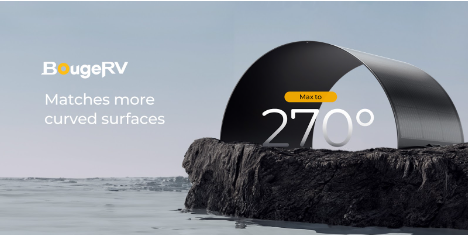
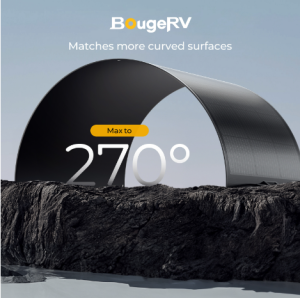
- Lightweight and Flexible: One of the most significant benefits of thin film solar panels is their lightweight and flexible design. This makes them ideal for applications where weight is a concern, such as on rooftops with weight limitations, mobile units like RVs or boats, or even on backpacks for portable power. The flexibility of thin film panels also allows them to be installed on curved or uneven surfaces, giving them a broader range of applications compared to traditional rigid panels.
- Adaptable to Different Environments: Thin film solar panels perform better in low-light conditions or high temperatures than their crystalline counterparts. This makes them suitable for regions with less-than-ideal weather conditions, such as areas with frequent cloud cover or high ambient heat. These panels also have less sensitivity to shading, meaning that even if part of the panel is shaded, it can still generate some electricity.
- Ease of Installation: Thin film panels are much easier to install compared to traditional rigid panels. Their lightweight nature means they can be mounted without the need for heavy structural supports, and their flexibility allows them to be adhered directly to surfaces without complicated mounting systems. This ease of installation can save time and money on labor costs and materials.
- Aesthetic Integration: For buildings or structures that prioritize aesthetics, thin film solar panels can be integrated into the architecture more seamlessly than rigid panels. They can be used in building facades, windows, or even as part of the roof structure, blending into the design while generating clean energy.
- Environmental Sustainability: Like all solar technologies, thin film solar panels contribute to reducing greenhouse gas emissions by providing a renewable source of energy. Additionally, because thin film panels use less material and energy in their production compared to traditional silicon panels, they have a smaller carbon footprint. Their ability to be installed in areas that may not be suitable for other types of panels further expands their potential environmental benefits.
Practical Uses of Thin Film Solar Panels
The unique characteristics of thin film solar panels make them highly versatile and suitable for a wide range of applications. Here are some of the most common uses:
- Building-Integrated Photovoltaics (BIPV): Thin film solar panels are often used in BIPV systems, where they are integrated into the building’s structure, such as windows, roofs, or facades. This allows buildings to generate energy without installing bulky, rigid panels that may detract from the architectural design. Thin film panels can be seamlessly integrated into the design of both residential and commercial buildings, offering a functional and aesthetically pleasing energy solution.
- Portable Solar Power: Thin film solar panels are a popular choice for portable solar power solutions. Their lightweight and flexible design makes them easy to transport and set up, making them ideal for camping, hiking, or off-grid adventures. They can be rolled up and carried in a backpack, then easily deployed to capture sunlight and charge small devices like smartphones, cameras, or batteries.
- RVs and Marine Applications: For RV owners, boaters, and other mobile adventurers, thin film solar panels provide an efficient way to generate electricity on the move. These panels can be mounted on the roof of an RV or the deck of a boat, where their lightweight and flexible properties allow them to conform to curved surfaces. This enables travelers to power essential systems such as lighting, refrigerators, and communication devices without relying on noisy generators or external power sources.
- Remote and Off-Grid Locations: In remote or off-grid areas where access to electricity is limited, thin film solar panels offer a reliable and renewable energy source. These panels can be installed on temporary structures, cabins, or even tents, providing power for lighting, water pumps, communication systems, and small appliances. The ability to install them in locations with limited space or challenging conditions makes them a practical solution for off-grid living.
- Large-Scale Solar Farms: While thin film solar panels are often associated with smaller-scale or portable applications, they are also used in large-scale solar farms. Their lower cost per watt and ability to perform in a variety of environmental conditions make them an attractive option for utility-scale projects. Thin film panels are often installed in regions with high temperatures or limited sunlight, where their efficiency in lower light and high heat conditions gives them an edge over traditional panels.
Efficiency and Performance of Thin Film Solar Panels
One of the main considerations when choosing solar panels is efficiency, which refers to the amount of sunlight a panel can convert into electricity. Thin film solar panels tend to have lower efficiency rates compared to traditional monocrystalline or polycrystalline panels. While this means they may require more surface area to generate the same amount of power, their flexibility and adaptability often make up for this limitation in certain applications.
For example, in situations where aesthetics, weight, or installation flexibility are more important than maximum efficiency, thin film panels can be the ideal choice. Additionally, their ability to perform well in low-light conditions and resist degradation from high temperatures means they can often produce more electricity than expected in environments that might hinder traditional panels.
Factors to Consider When Choosing Thin Film Solar Panels
If you are considering thin film solar panels for your energy needs, there are several factors to keep in mind:
- Energy Requirements: Calculate how much electricity you need to generate. Thin film solar panels may have lower efficiency, so you’ll need to ensure you have enough surface area to meet your energy needs.
- Installation Surface: Think about where you plan to install the panels. Thin film panels are great for curved or irregular surfaces, but you should ensure that the installation site receives ample sunlight throughout the day.
- Environmental Conditions: Consider the climate in your area. Thin film panels perform well in high temperatures and low-light conditions, making them a good choice for locations with challenging weather.
- Budget and Space: Thin film panels may require more space to generate the same amount of power as traditional panels, so consider the available installation area and budget constraints.
Conclusion
Thin film solar panels offer a flexible, lightweight, and adaptable approach to harnessing solar energy. Whether you’re looking to power a portable device, integrate solar power into your building design, or install panels on a curved or lightweight surface, thin film solar panels provide a versatile solution. While they may not have the highest efficiency rates, their ability to perform in diverse conditions and their ease of installation make them a practical choice for a wide range of applications. By choosing thin film solar panels, you can take advantage of clean, renewable energy while enjoying the benefits of flexibility, portability, and sustainability.
