

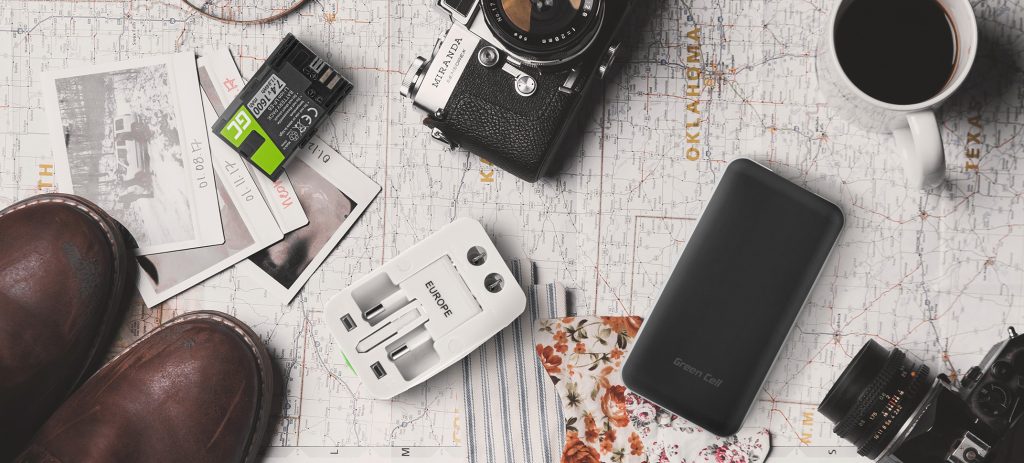
Protecting your electronic gadgets while traveling may sound simple, but in reality, it requires careful planning and constant awareness. From physical damage and loss to data theft and cyber risks, your devices face more threats than you might expect on the road.
Securing your gadgets is not only about packing them properly. It also means updating your software, backing up important files, and avoiding unsafe digital habits. A little preparation can save you from major headaches later.
Here are the most effective ways to keep your electronic devices safe during travel.
1. Use a Dedicated Carry-on Bag
Always store your electronic gadgets in a dedicated carry-on bag instead of mixing them with clothes or heavy items. This helps you avoid accidental damage, scratches, or pressure that could harm your devices.
A carry-on bag also keeps your gadgets within sight at all times, reducing the risk of loss or theft. When passing through security checks, you can easily access everything without unpacking your entire luggage.
2. Organize Your Devices Properly
Good organization is essential. Use padded compartments, small pouches, or bubble wrap for accessories such as cables, memory cards, lenses, and adapters.
Place larger items like laptops or tablets in protective sleeves before putting them into your bag. Never stack heavy electronics on top of smaller or fragile ones. A well-organized bag not only protects your devices but also saves time when you need them.
3. Stay Alert in Public Places
Crowded airports, stations, cafes, and tourist attractions are prime locations for theft. Always keep your gadgets close and avoid leaving them unattended.
Wear camera straps, close all zippers, and never place devices loosely in open bags. Even a moment of distraction can result in losing something valuable.
4. Don’t Forget Where You Put Them
Many gadgets are lost simply because people forget where they placed them. Avoid leaving devices on tables, hotel desks, or charging areas without supervision.
Always remember which bag contains which item. This reduces stress, saves time, and prevents unnecessary panic during your trip.
5. Avoid Leaving Gadgets in Hotel Rooms
Never leave important devices plugged in or lying around in your hotel room. Even if the room is locked, accidents, theft, or cleaning mistakes can happen.
If you must leave something behind, store it in the hotel safe or keep it with you whenever possible.
6. Use Waterproof Protection
Water damage is one of the most common travel risks. Waterproof pouches and cases are essential, especially for beach trips, hiking, or water activities.
Action cameras usually come with waterproof cases—make full use of them to capture moments safely without worrying about rain or splashes.
7. Always Prepare Backups
Losing your travel photos or important files can be heartbreaking. Devices can malfunction, get stolen, or suffer physical damage at any time.
Before traveling, back up all your data to cloud storage or external drives. During long trips, make regular backups whenever possible.
8. Avoid Using Public Wi-Fi
Public Wi-Fi networks in airports, hotels, and cafes are convenient but risky. Hackers often exploit unsecured networks to steal personal data, passwords, and financial information.
If you must use public Wi-Fi, always connect through a trusted VPN.
9. Do Not Use Public Charging Stations
Public charging stations are increasingly dangerous due to a threat known as juice jacking. Hackers can install malware or steal data through infected USB ports.
Instead of relying on public chargers:
l Carry your own power bank
l Use a USB data blocker
l Or better yet, bring a portable power station
Portable power stations provide a safe, private, and reliable way to charge multiple devices anywhere—whether you are at the airport, camping, or in remote areas. Unlike public chargers, they eliminate the risk of data theft while offering fast and stable power for laptops, cameras, phones, and drones.
10. Keep Your Devices and Passwords Updated
Always update your operating system, apps, and security patches before traveling. This reduces vulnerabilities and protects your data from cyber attacks.
Change your passwords regularly and avoid using the same password across multiple platforms.
Final Thoughts
Traveling should be about creating memories, not worrying about lost devices or stolen data. With proper organization, awareness, and digital security habits, you can enjoy your journey with peace of mind.
For travelers who need reliable power on the go, the ALLPOWERS Power Station is an excellent companion.
It offers safe, portable energy for charging all your essential gadgets—whether you’re at an airport, on a road trip, or exploring the outdoors.
